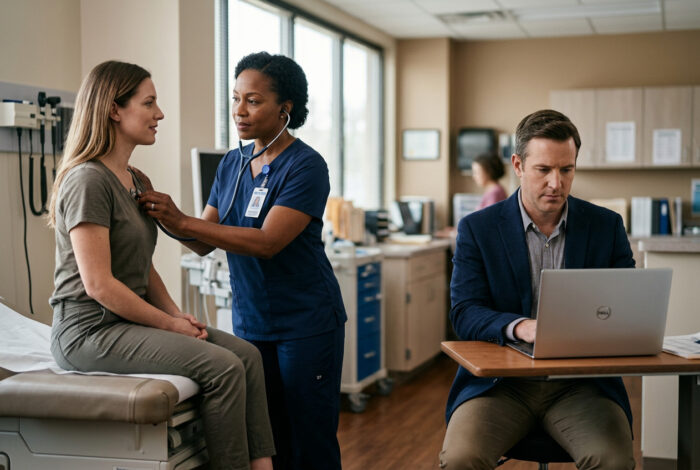
Managers reviewing an occupational health program for compliance risks

Occupational Health Program: 6 Warning Signs

An occupational health program should help an organization protect its workforce, maintain compliance, and keep operations moving. When the processes behind that program weaken, however, routine health requirements can become a source of business risk. The warning signs often appear before an incident or inspection, but they may be spread across scheduling, documentation, communication, and…

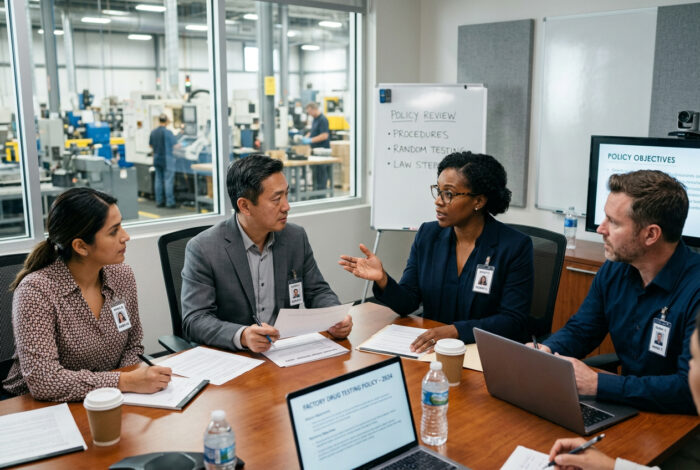
Managers reviewing standardized drug testing policies

How Standardized Drug Testing Policies Reduce Risk Across Multi-Site Operations

Standardized drug testing policies give multi-site employers a common process for testing, documentation, and follow-up. Without shared rules, locations may handle similar situations differently, making oversight harder and creating confusion for employees and managers. Define the parts that must align When and how testing is initiated A policy should explain the circumstances that trigger a…

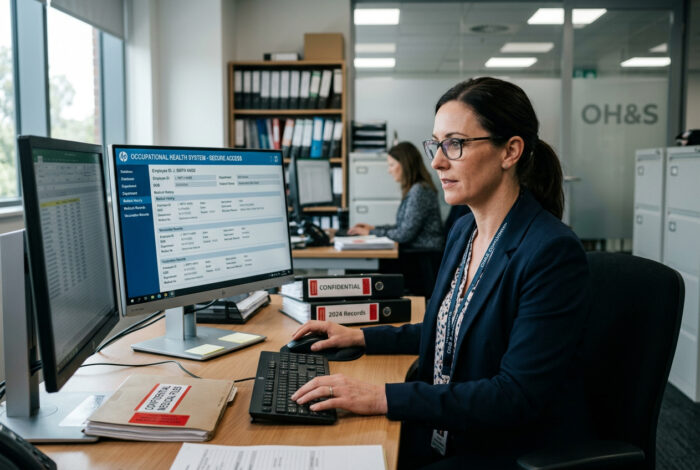
Coordinator reviewing employee medical documentation

The Business Impact of Incomplete Employee Medical Documentation

Employee medical documentation helps authorized teams confirm what has been completed and what still needs attention. When records are missing, outdated, or difficult to locate, decisions about onboarding, surveillance, or follow-up can take longer. Good documentation supports clear action without relying on memory or scattered messages. Common consequences of incomplete files Delayed decisions A missing…

Occupational health team reviewing a return-to-work program

Return-to-Work Program: Reduce Costs and Risk

A return-to-work program can help employers coordinate an employee’s transition after an injury or absence. When responsibilities, restrictions, and records are unclear, the process can also create delays and avoidable risk. A useful program gives managers and employees a consistent way to make and document decisions. Where return-to-work processes break down Restrictions do not reach…

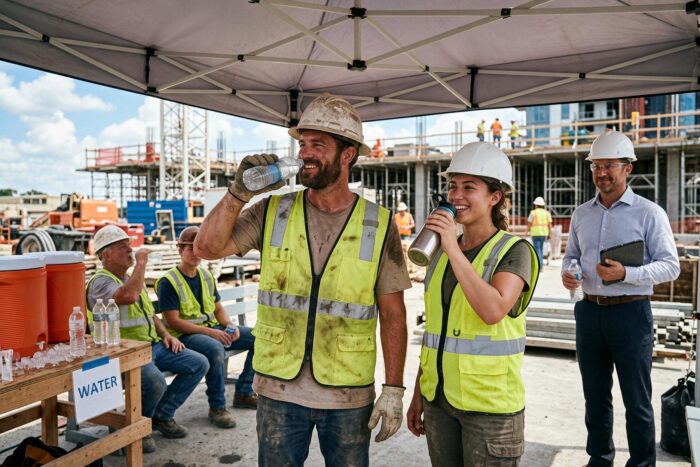
Outdoor workers following heat stress prevention practices during summer

Heat Stress Prevention in Summer: Protecting Outdoor Workers Without Slowing Productivity

Heat stress prevention helps organizations protect outdoor workers while maintaining steady operations during high summer temperatures. In construction, logistics, manufacturing, and oil and gas environments, heat can affect attention, endurance, and the ability to work safely. An effective approach integrates workforce health, supervision, scheduling, and clear response procedures. Prevention works best when it is planned…

Safety team reviewing OSHA inspection records

OSHA Inspection Records: 8 Every Employer Should Have

OSHA inspection readiness depends on more than a clean facility. Employers in safety-sensitive industries also need organized occupational health records that help demonstrate consistent processes, employee protections, and regulatory compliance. Requirements vary by workplace, exposure, and jurisdiction. The eight record categories below provide a practical readiness framework, but employers should confirm which records apply to…

HR and safety teams collaborating to reduce workplace risk

How HR and Safety Teams Reduce Workplace Risk

HR and safety teams reduce workplace risk most effectively when they work from shared goals. HR often manages employee processes and records, while safety teams focus on operational hazards, training, and compliance. Connecting those responsibilities helps an organization address workforce health across the employee lifecycle. A coordinated occupational health program can reduce duplicated work, improve…

Professionals reviewing medical surveillance programs strategic strategy and planning documents

Medical Surveillance Programs Strategic for Workplace Safety

Medical Surveillance Programs Strategic for Workplace Safety Medical surveillance programs strategic planning helps employers protect workers and strengthen compliance. Companies operating in high-risk environments face ongoing health risks. Therefore, they need structured surveillance programs that identify concerns early and support OSHA compliance. At Workplace Safety Screenings (WSS), we help employers create medical surveillance programs that…