

Managing a high-turnover workforce comes with no shortage of challenges. From frequent hiring and onboarding to meeting strict compliance requirements, occupational health processes can quickly become overwhelming for HR teams, safety managers, and compliance officers. When processes are inconsistent or ad hoc, these challenges are magnified, leading to operational delays, compliance gaps, and increased administrative burdens.
By implementing a structured occupational health program, organizations in industries like construction, manufacturing, logistics, oil and gas, and transportation can streamline employee screenings, ensure workforce readiness, and support regulatory compliance without impacting operational efficiency. Here’s how you can build an efficient, scalable occupational health process that meets the demands of a high-turnover workforce.
Why High-Turnover Workforces Need a Structured Occupational Health Process
High employee turnover creates ongoing needs for pre-employment screenings, health evaluations, and documentation updates. HR teams often face operational pressure to onboard new hires quickly, while safety and compliance managers must ensure every worker meets industry-specific regulatory requirements, such as those set by OSHA (Occupational Safety and Health Administration) and DOT (Department of Transportation).
Without a standardized approach, these recurring demands can lead to inefficiencies. Missed screenings, inconsistencies in documentation, or delays in deploying employees to safety-sensitive roles are common issues when processes lack structure. For industries with tight operational schedules, even small delays can disrupt workflows, risking downtime and lost revenue.
A structured and scalable occupational health process minimizes these risks. By standardizing screenings, centralizing documentation, and coordinating workflows, organizations can maintain both workforce readiness and regulatory compliance. The result is a healthier, safer, and more efficient workforce, prepared to meet the demands of high-turnover environments.
Standardize Pre-Employment Screenings and Health Requirements
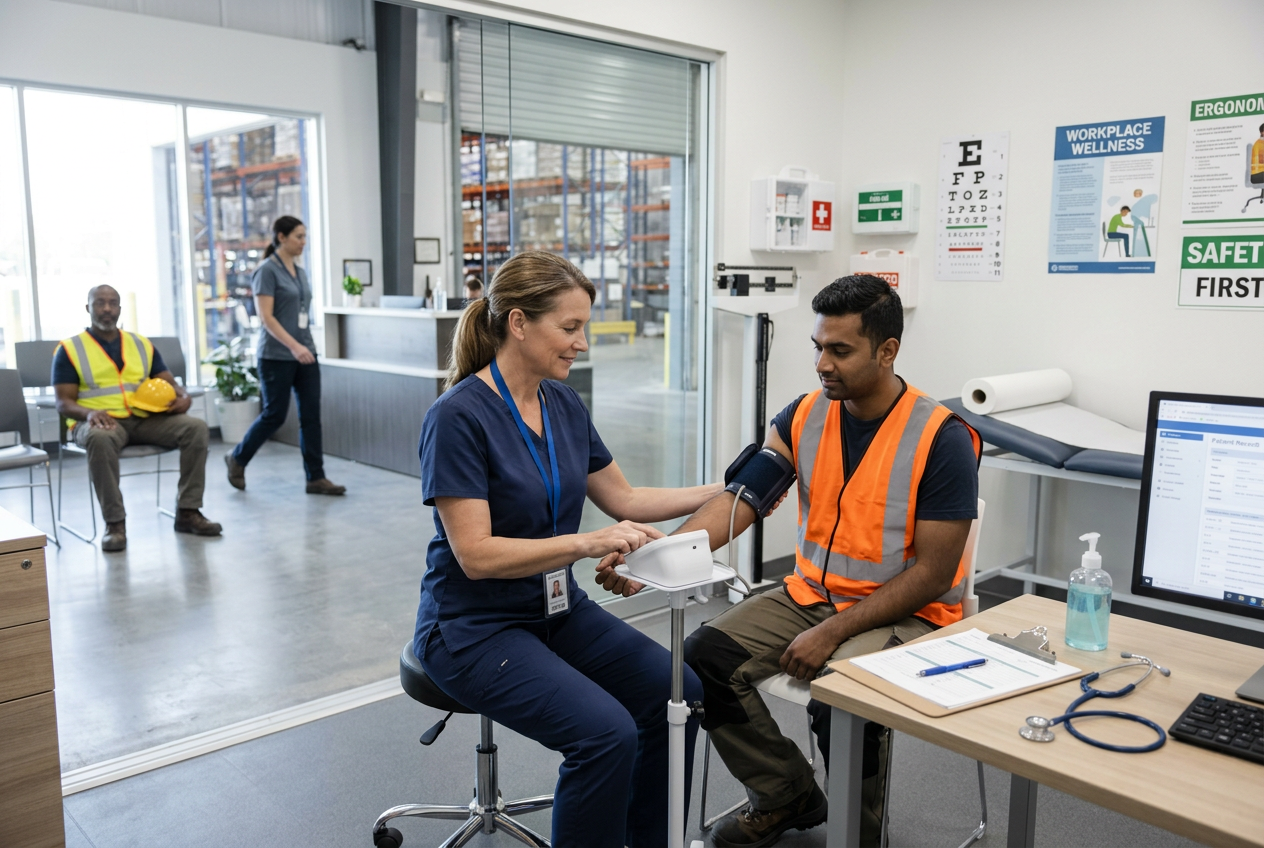
A consistent and well-defined pre-employment screening program is crucial for high-turnover industries. Begin by identifying the specific occupational health screenings and background checks required for your workforce. These may include:
- Background checks to verify credentials and past employment.
- Drug and alcohol testing mandated by the DOT or internal policies.
- Job-related medical evaluations for roles with physical or safety requirements.
Establishing a clear and standardized process ensures that every new hire meets job-specific health and safety criteria before starting work. This approach not only supports regulatory compliance but also helps prevent delays caused by incomplete or inconsistent screenings. For example, coordinating all necessary health tests during the onboarding process can streamline the timeline for workforce deployment.
Working with an occupational health provider like Workplace Safety Screenings offers access to comprehensive and customizable screening programs. From pre-employment clearances that align with applicable laws to scalable workflows that avoid unnecessary duplication, standardized screening solutions lay the foundation for smoother, faster hiring.
Centralize Documentation and Improve Compliance Tracking
Managing employee screening records across multiple locations or departments can introduce unnecessary complexity, especially in high-turnover scenarios. Centralized documentation simplifies record-keeping and improves oversight. Housing all essential records in a secure, digital occupational health management platform minimizes the risk of lost or incomplete documentation.
Tools like the Shield Employer Portal, offered by Workplace Safety Screenings, allow HR and safety teams to easily record, track, and retrieve employee health data. This enhances transparency and accessibility while ensuring that records are compliant with employment regulations and confidentiality standards.
Centralized systems also improve compliance monitoring. Organizations can track required follow-ups, such as recurring medical evaluations or drug tests, while reducing administrative errors. This capability is particularly valuable during internal or external compliance audits, giving your team confidence in the accuracy and completeness of your occupational health records.
Build a Scalable Occupational Health Workflow That Supports Workforce Deployment
Scalable workflows minimize the bottlenecks associated with high hiring volumes. By coordinating occupational health activities with recruitment, onboarding, and operational timelines, organizations avoid delays. Clear communication between HR, safety, and operations teams ensures that new hires complete all required screenings before assuming their roles.
For organizations with geographically dispersed operations or large-scale recruitment efforts, onsite clinical support can further streamline deployment. Mobile health clinics or pop-up assessment sites enable screenings to be conducted closer to employees, reducing travel time and speeding up processing.
Ongoing medical surveillance and injury management programs should align with workforce deployment schedules. By integrating these services into a scalable occupational health program, organizations can ensure continued compliance with evolving regulations while maintaining a healthy, prepared workforce.
Measure Performance and Continuously Improve Occupational Health Processes
A robust occupational health process isn’t static—it requires regular evaluation and improvement to adapt to changing needs. Key performance indicators (KPIs) can help track the program’s effectiveness, including:
- Average screening turnaround time.
- Percentage of employees completing health requirements before deployment.
- Rate of documentation errors or omissions.
- Frequency of overdue compliance obligations.
- Administrative delays tied to employee onboarding or readiness.
Analyzing these metrics allows organizations to pinpoint inefficiencies and make data-driven adjustments. For example, reducing turnaround time for pre-employment screenings can directly improve workforce deployment speed. Additionally, as operational needs and regulations change, organizations should periodically review their workflows to ensure alignment.
Partnering with an expert occupational health provider like Workplace Safety Screenings ensures access to clinical expertise and technology-driven solutions for continuous improvement. With experienced guidance, your organization can maintain consistency, scalability, and compliance, no matter how fast your workforce grows or evolves.
Strengthen Your Workforce with Workplace Safety Screenings
From pre-employment screenings to injury management and ongoing medical surveillance, Workplace Safety Screenings delivers the clinical expertise and systems you need to protect your people and your operations. Let us help you build a safer, more compliant workplace with confidence. Call us at (855) 572-5577, email info@workplacesafetyscreenings.com or through our social media channels (X, Facebook, and LinkedIn) to connect with our team today. Let’s build a stronger workforce together.