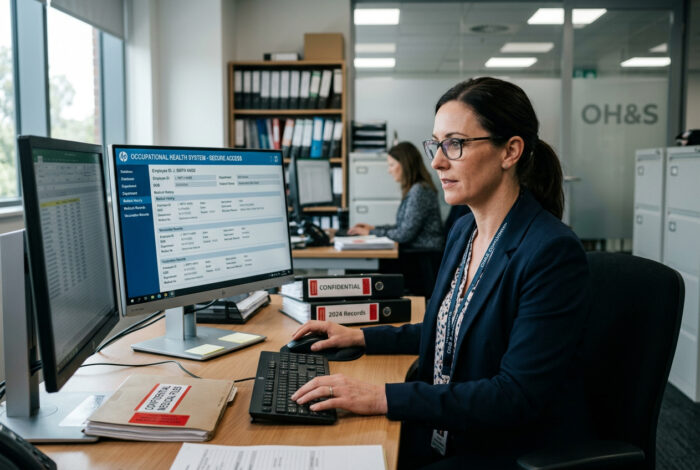
Safety team reviewing OSHA inspection records

OSHA Inspection Records: 8 Every Employer Should Have

OSHA inspection readiness depends on more than a clean facility. Employers in safety-sensitive industries also need organized occupational health records that help demonstrate consistent processes, employee protections, and regulatory compliance. Requirements vary by workplace, exposure, and jurisdiction. The eight record categories below provide a practical readiness framework, but employers should confirm which records apply to…

HR and safety teams collaborating to reduce workplace risk

How HR and Safety Teams Reduce Workplace Risk

HR and safety teams reduce workplace risk most effectively when they work from shared goals. HR often manages employee processes and records, while safety teams focus on operational hazards, training, and compliance. Connecting those responsibilities helps an organization address workforce health across the employee lifecycle. A coordinated occupational health program can reduce duplicated work, improve…

Professionals reviewing medical surveillance programs strategic strategy and planning documents

Medical Surveillance Programs Strategic for Workplace Safety

Medical Surveillance Programs Strategic for Workplace Safety Medical surveillance programs strategic planning helps employers protect workers and strengthen compliance. Companies operating in high-risk environments face ongoing health risks. Therefore, they need structured surveillance programs that identify concerns early and support OSHA compliance. At Workplace Safety Screenings (WSS), we help employers create medical surveillance programs that…

Professionals reviewing reactive injury management increases strategy and planning documents

Reactive Injury Management Increases Workplace Costs

Reactive injury management increases costs, delays recovery, and creates unnecessary challenges for employers. Many organizations focus on responding to injuries instead of preventing problems. Delayed reporting, weak documentation, and ineffective return-to-work plans often increase workers’ compensation costs and extend employee absences. At Workplace Safety Screenings (WSS), we help employers build proactive injury management programs that…

Leaders reviewing occupational health program consistency across multiple locations

Why Occupational Health Program Consistency Matters

Occupational health program consistency plays a critical role in protecting employees and supporting business growth. As companies expand, different health and safety practices can create compliance risks, increase costs, and reduce operational efficiency. A standardized program helps organizations maintain control across every location. At Workplace Safety Screenings (WSS), we help employers build consistent occupational health…

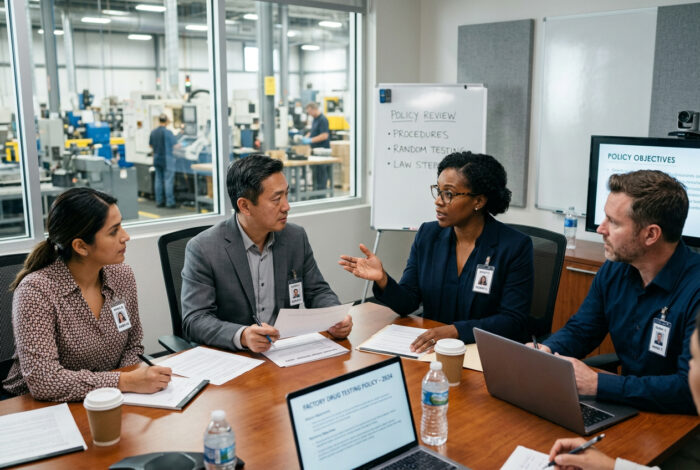
Safety manager reviewing drug testing programs and safety performance records

How Drug Testing Programs Affect Safety Performance

Drug testing programs are often discussed in terms of compliance, but weak or inconsistent programs can affect much more than regulatory exposure alone. Inadequate drug testing programs can create real operational consequences by increasing safety risk, reducing productivity, and adding avoidable costs across the organization.For employers in safety-sensitive industries, the issue is not whether testing…

Safety team reviewing OSHA liability mistakes in occupational health compliance

7 OSHA Liability Mistakes in Occupational Health

Many organizations assume that good intentions are enough to keep their compliance programs on track. In practice, OSHA liability mistakes often develop from small gaps in process, documentation, or follow-through that grow into larger risks over time. Even employers that care about safety can create preventable exposure when occupational health responsibilities are handled inconsistently. For…

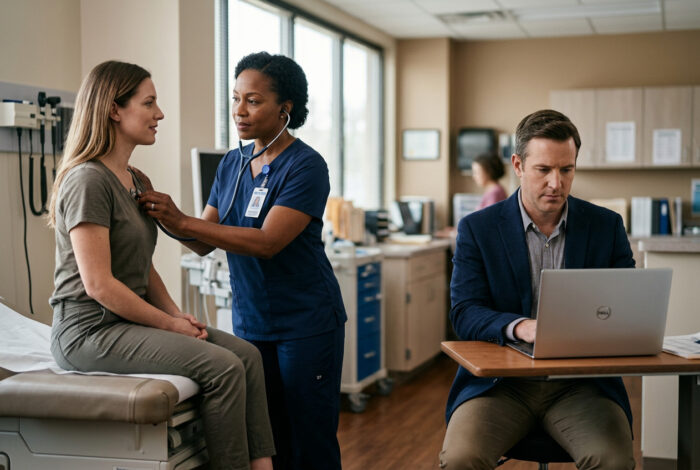
Occupational health exam showing pre-employment physicals for risk management

Why Pre-Employment Physicals Are a Risk Management Tool

Pre-employment physicals often seem like a routine hiring step, but they provide much more than administrative compliance. When employers structure them correctly, these evaluations help confirm that candidates can perform job-specific tasks safely and consistently. Why pre-employment physicals are a risk management tool, not just a hiring requirement comes down to prevention. These evaluations help…

Safety team coordinating post-accident testing after a workplace incident

The True Cost of Delayed Post-Accident Testing

Delayed post-accident testing can create far more than an administrative problem. The true cost of delayed post-accident testing often shows up in weaker incident investigations, higher liability exposure, disputes over workers’ compensation claims, and avoidable compliance pressure for employers operating in regulated environments. In the immediate aftermath of a workplace incident, organizations are often focused…