

Workplace Injuries Do Not Wait for Business Hours
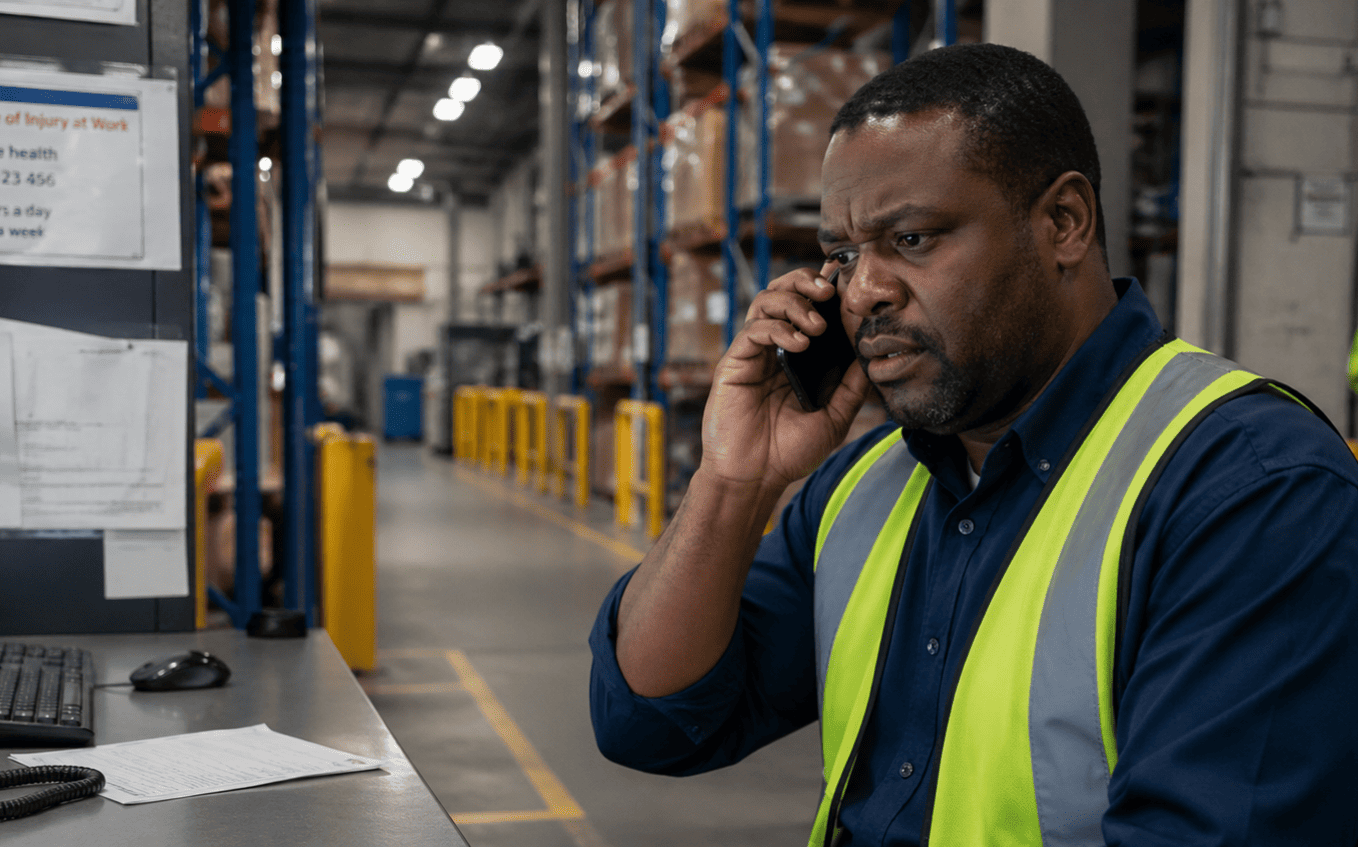
When an employee gets hurt at 2 AM, the company still has to make a decision immediately. Who gives guidance? Where should the employee go? What information needs to be documented? Without a clear after-hours process, those first minutes can turn into expensive confusion. That is why 24/7 injury response is no longer optional for employers that need to protect their workforce, control risk, and keep operations moving.
In safety-sensitive environments, delayed clinical direction can lead to unnecessary emergency room visits, avoidable workers’ compensation escalation, and longer downtime than the incident required. Fast, structured response helps employers act with more confidence when timing matters most.
The Real Cost of Waiting Until Morning
Many organizations still rely on next-day follow-up for incidents that happen overnight, over weekends, or during off-site work. That delay can create problems well before a supervisor is back at a desk.
Delayed guidance often drives ER overuse
When managers or employees are unsure what to do, the emergency room can become the default choice even when the injury may be better handled through a more appropriate occupational health pathway. That can increase costs and introduce care decisions that are not aligned with the employer’s reporting and return-to-work process.
Claims can become more complicated
Injury management depends on timely reporting, clear documentation, and early clinical direction. When those pieces are delayed, employers may face more confusion around the event, slower coordination, and a harder time managing the claim efficiently.
Downtime spreads beyond the injured employee
An unresolved incident affects supervisors, scheduling, staffing, and production. Overnight delays can leave teams uncertain about next steps and make the next shift harder to plan. A slow response does not stay isolated. It ripples across the operation.
What 24/7 Injury Response Should Actually Deliver
After-hours coverage only adds value if it gives employers a clear system for action. The goal is not just availability. The goal is reliable guidance that supports compliance, documentation, and appropriate care decisions.
Immediate clinical direction
Employers need access to informed guidance at the time of the incident so they can make better decisions about the next step. Early direction can help determine whether the situation requires urgent escalation, scheduled follow-up, onsite management, or another response path tied to the employer’s program.
Consistent documentation and communication
A strong response process should help capture key incident details while the information is still fresh. That improves continuity and makes it easier for HR, safety, and operations teams to stay aligned once the workday begins.
Integration with broader workforce health systems
The best after-hours response does not operate as a disconnected hotline. It should connect with the employer’s larger occupational health strategy, including injury management, medical surveillance, testing programs, and visibility tools that support ongoing coordination.
Why High-Risk Industries Feel the Difference First
The need for 24/7 injury response is especially clear in industries where overnight operations, physical work, and regulatory pressure are part of normal business conditions.
Safety-sensitive environments cannot afford ambiguity
Construction, manufacturing, logistics, oil and gas, and transportation teams often work outside standard office hours and face higher exposure to incidents that require fast judgment. In those environments, delayed response can increase both operational and compliance risk.
Leadership needs a process that scales
As organizations grow, informal after-hours decision-making becomes harder to manage. A structured response model creates consistency across locations, supervisors, and shifts so the quality of the response does not depend on who happens to answer the phone.
Better Response Supports Better Outcomes
24/7 injury response is not just about reacting faster. It is about reducing avoidable cost, improving coordination, and helping employers support employees when incidents happen at the worst possible time. When organizations have access to clinical guidance, strong documentation processes, and connected workforce health support around the clock, they are better prepared to protect both people and operations.
Strengthen Your Workforce with Workplace Safety Screenings
From pre-employment screenings to injury management and ongoing medical surveillance, Workplace Safety Screenings delivers the clinical expertise and systems you need to protect your people and your operations. Let us help you build a safer, more compliant workplace with confidence. 📞 Call us at (855) 572-5577, 📧 email info@wss-corp.com or through our social media channels (Instagram, Facebook, and LinkedIn) to connect with our team today. Let’s build a stronger workforce together.