

Prevention Starts Before the First Shift
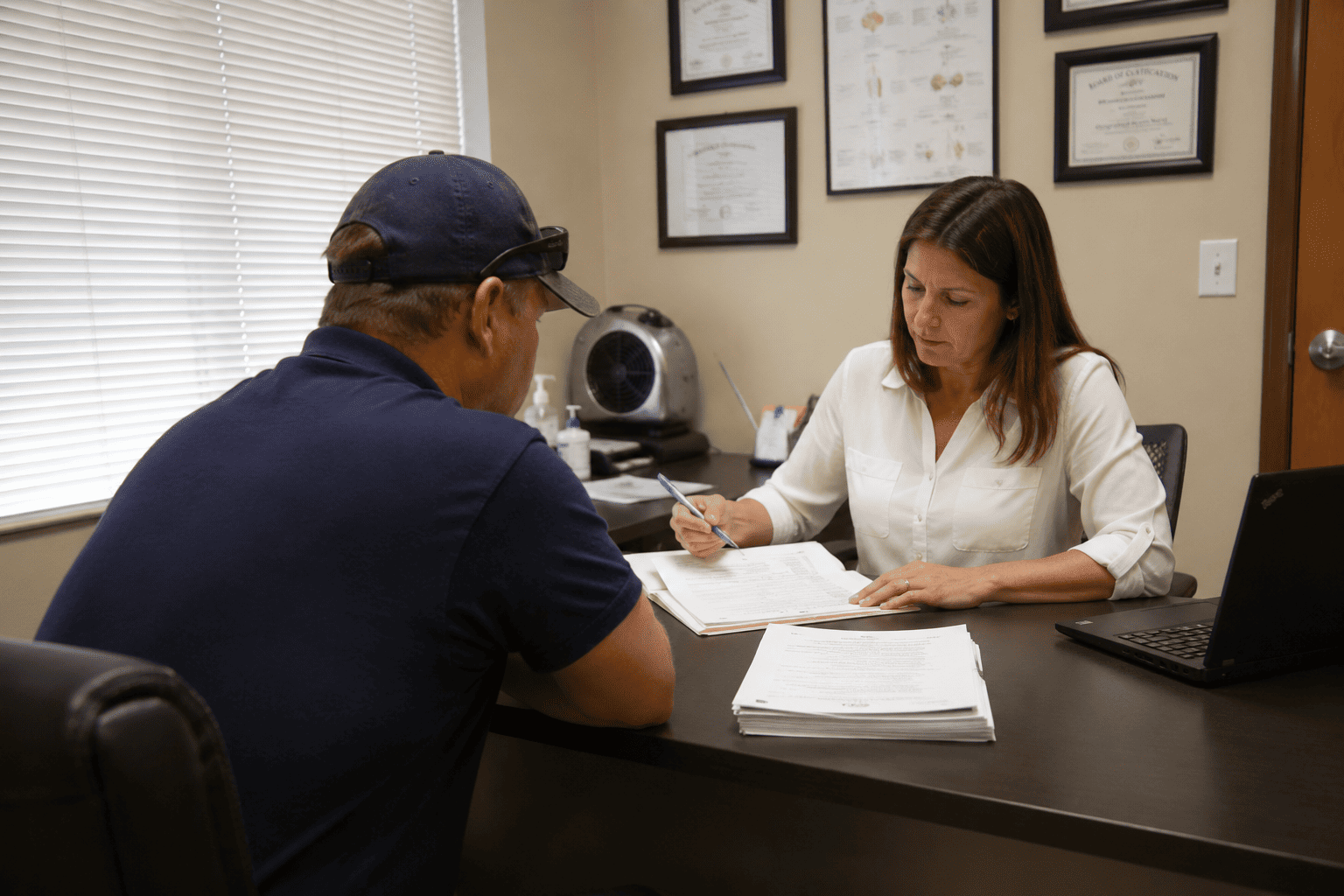
Pre-employment medical screenings can serve as an early line of defense against workplace injuries when employers use them as part of a broader workforce health strategy. Before a new hire enters a physically demanding or safety-sensitive role, employers need a clearer picture of whether the person can safely meet the demands of the job. That early step can help reduce avoidable risk before an incident ever happens.
For organizations focused on safety, compliance, and operational continuity, prevention is not only about reacting well after an injury. It is also about screening thoughtfully before work begins.
Why Early Screening Matters
The hiring stage gives employers an important opportunity to align job demands, workforce readiness, and safety expectations from the start.
Better role fit can reduce preventable injuries
When employers understand the physical or medical considerations relevant to a role, they are in a better position to support safer placement decisions. That matters especially in environments where physical strain, repetitive activity, or safety-sensitive responsibilities are part of everyday operations.
Early action supports a stronger safety culture
Pre-employment screening also communicates that workforce health is taken seriously from day one. When safety expectations begin before the first shift, employers create a more consistent standard across the employee lifecycle.
Screening Works Best as Part of a Larger System
A medical screening program should not operate in isolation. It is most effective when connected to broader occupational health and compliance processes.
Consistency improves documentation and coordination
Employers benefit when screening results, next steps, and related compliance processes are handled through a structured system. Better coordination can reduce confusion and support clearer decision-making across HR, safety, and operations teams.
Screening should connect to ongoing workforce health support
Pre-employment processes are stronger when they align with services such as testing programs, medical surveillance, injury management, and other workforce health measures. That connection helps employers treat prevention as a continuous strategy instead of a one-time checkpoint.
High-Risk Industries Have More to Gain
The value of early screening becomes especially clear in industries where physical work, regulatory pressure, and operational disruption carry significant consequences.
Safety-sensitive environments need proactive risk control
Construction, manufacturing, logistics, oil and gas, and transportation operations often depend on reliable workforce readiness. In those settings, screening can help employers identify concerns earlier and make more informed decisions before injuries occur.
Fewer disruptions can support stronger operations
When employers reduce avoidable injury exposure at the front end, they may also protect productivity, reduce downtime, and improve the consistency of their workforce planning.
Strong Prevention Begins Before Incidents Happen
Pre-employment medical screenings can help employers take a more proactive approach to workplace injury prevention. When screening is part of a connected occupational health strategy, organizations are better prepared to protect their workforce, support compliance, and build safer operations from the very beginning.
Strengthen Your Workforce with Workplace Safety Screenings
From pre-employment screenings to injury management and ongoing medical surveillance, Workplace Safety Screenings delivers the clinical expertise and systems you need to protect your people and your operations. Let us help you build a safer, more compliant workplace with confidence. 📞 Call us at (855) 572-5577, 📧 email info@wss-corp.com or through our social media channels (Instagram, Facebook, and LinkedIn) to connect with our team today. Let’s build a stronger workforce together.