

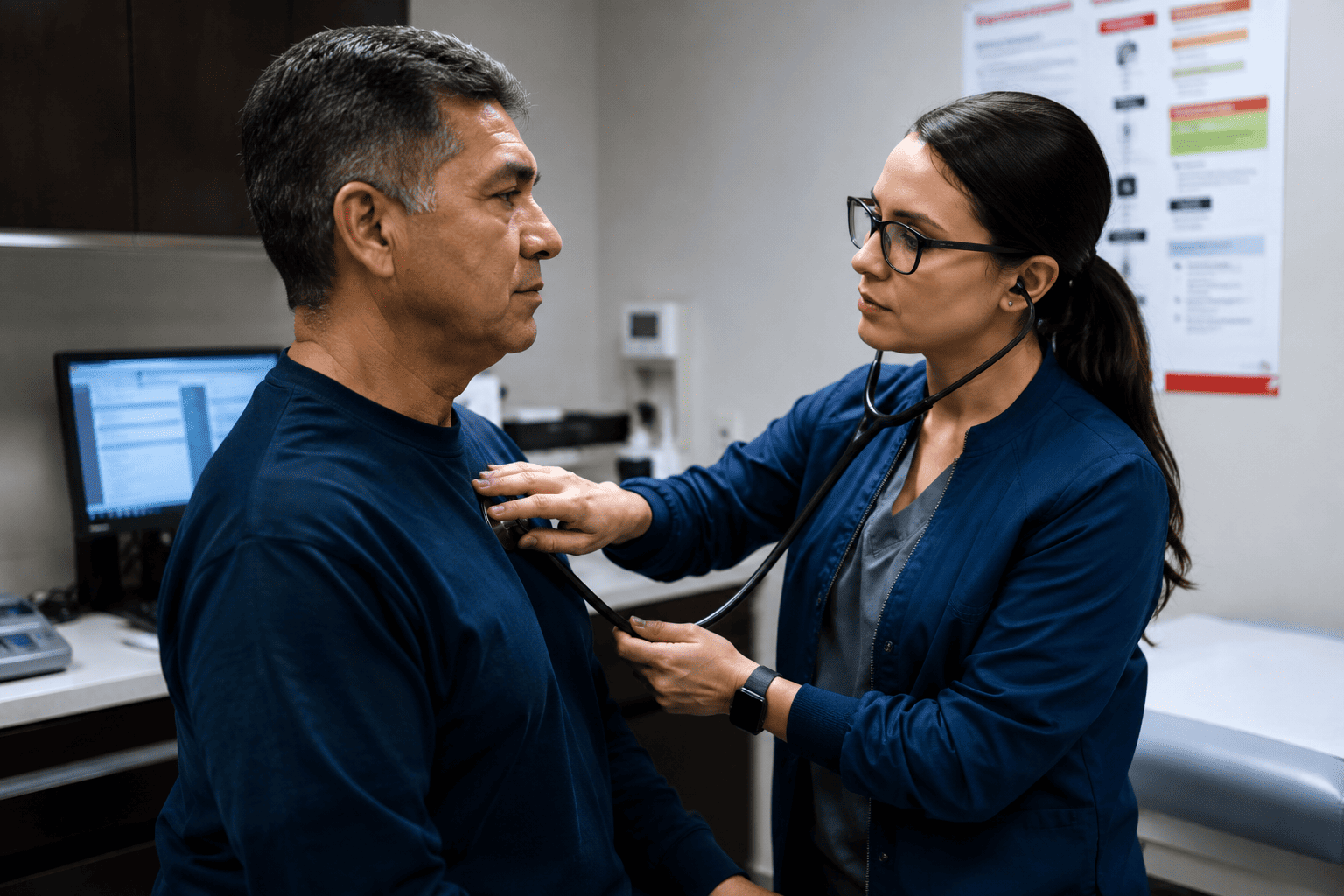
Fit-for-duty exams are one of the most overlooked tools for preventing costly workplace incidents because they help employers evaluate whether an employee can safely perform job demands at a given point in time. In safety-sensitive environments, that type of evaluation can play an important role in reducing risk before an incident affects people, productivity, or compliance.
Many organizations invest heavily in policies, training, and post-incident response, but may overlook fit-for-duty exams as a strategic risk management tool. When used appropriately, these evaluations can support safer staffing decisions, clearer return-to-work planning, and stronger operational continuity.
Why Fit-for-Duty Exams Matter in Risk Management
Workplace incidents are often discussed only after something goes wrong. Fit-for-duty exams shift attention earlier by helping employers assess readiness before a task, role, or return-to-work situation creates preventable exposure.
The goal is safe job performance
These evaluations help determine whether an employee can perform essential job functions safely and reliably. That makes them valuable when a role includes physical demands, safety-sensitive duties, or a recent event that raises concern about work readiness.
Prevention is usually less costly than disruption
An avoidable incident can create medical, operational, legal, and staffing consequences. A structured evaluation process can help employers address risk before those costs escalate.
Where Employers Commonly Overlook Their Value
Fit-for-duty exams are sometimes treated as narrow administrative steps instead of part of a broader workforce safety strategy. That can cause organizations to miss opportunities for prevention.
Return-to-work situations need careful evaluation
After an injury, illness, or other work-impacting event, employers often need a clearer understanding of whether the employee is ready to resume duties safely. A fit-for-duty exam can provide that clarity.
Safety-sensitive roles require dependable readiness
In industries where alertness, physical capacity, or decision-making directly affect safety, evaluating readiness can support both compliance and operational protection.
Practical Benefits for Employers
Organizations that use fit-for-duty exams strategically may strengthen more than incident prevention alone. They may also improve documentation, decision-making, and coordination across HR, safety, and operations teams.
Better decisions support continuity
When leaders have clearer information about work readiness, they can make more informed staffing decisions and reduce uncertainty around assignments or return-to-work timing.
Structured evaluations reinforce a safety culture
Using fit-for-duty exams consistently shows that workforce safety is being managed proactively rather than only reactively. That approach can support trust, accountability, and better long-term outcomes.
A Practical Tool That Deserves More Attention
Fit-for-duty exams are often overlooked, but they can be one of the most effective tools for preventing costly workplace incidents. By helping employers evaluate readiness, manage return-to-work decisions, and reduce risk in safety-sensitive roles, these exams can become a meaningful part of a stronger workforce safety strategy.
Strengthen Your Workforce with Workplace Safety Screenings
From pre-employment screenings to injury management and ongoing medical surveillance, Workplace Safety Screenings delivers the clinical expertise and systems you need to protect your people and your operations. Let us help you build a safer, more compliant workplace with confidence. 📞 Call us at (855) 572-5577, 📧 email info@workplacesafetyscreenings.com or through our social media channels (Instagram, Facebook, and LinkedIn) to connect with our team today. Let’s build a stronger workforce together.